
How Often Does A Septic Tank Need Cleaning?
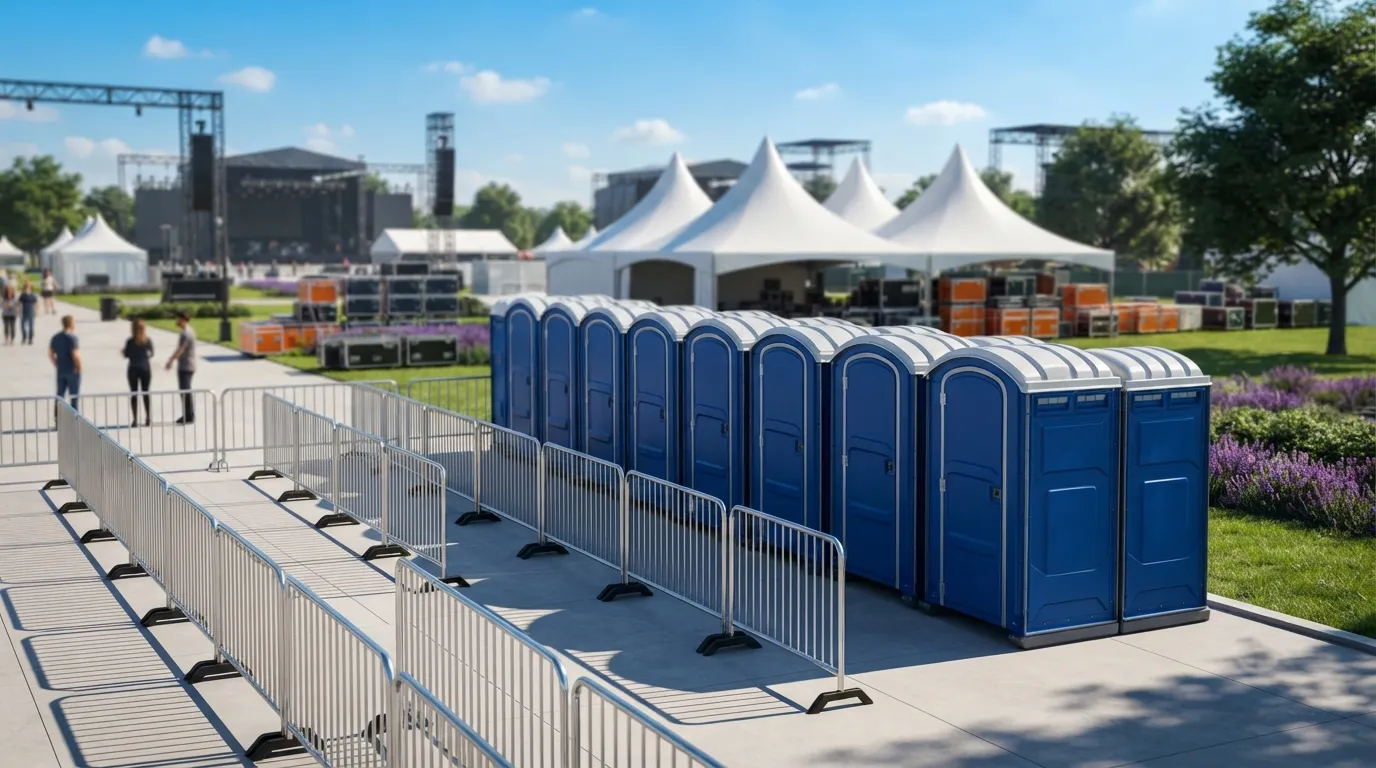
The 3 to 5 year window is the standard answer, and it holds true for most homes in Pontiac and out toward Auburn Hills, 3.2 miles northeast. What moves you toward one end of that range or the other is simple math: tank size versus number of people flushing into it every day. A four person household on an undersized tank might need septic tank cleaning every 2 to 3 years. A retired couple on a properly sized 1,500 gallon tank might go 5 years without issue, similar to what we see on porta potty rental jobs where usage volume drives the schedule too. Garbage disposals speed things up too, since they add solids the tank has to settle out, much like a busy job site needs more frequent service under a construction dumpster rental plan. If you have never had the tank pumped and do not know its size, that is the first thing to find out before guessing at a schedule. A septic pumping service can measure the scum and sludge layers on the first visit and tell you where you actually stand, instead of relying on a generic number.
Why Does Septic Tank Cleaning Frequency Change So Much?
Household size drives most of the variation, but it is not the only factor. Water usage matters: long showers, frequent laundry loads and dishwasher cycles all add volume the tank has to process. Tank age and condition matter too, the same way a storage container rental needs a site check before drop-off. An older tank with baffle wear or root intrusion can fill with solids faster than a newer one. Soil conditions around Pontiac also play a role in how well the drain field handles overflow between pumpings, the kind of site detail covered in a porta potty placement guide. None of this is exotic engineering. It is closer to changing motor oil: the interval depends on the vehicle, the driving conditions and how hard you use it. If you are unsure whether your system is on track, septic tank warning signs like slow drains or wet spots near the drain field are worth checking before you assume everything is fine.
What Happens If You Wait Too Long Between Pumpings?
Solids build up past the point the tank can hold them, and they start moving into the drain field, where they clog the soil and cause a much more expensive repair than a routine pump-out. This is the difference between a scheduled service call and an emergency one, similar to the gap between routine service and an emergency porta potty rental call. A grease interceptor in a commercial kitchen follows a related but separate rule: it gets pumped once fats, oils, grease and solids reach 25 percent of the liquid depth, which can happen in weeks rather than years depending on volume. Residential septic tanks do not fill that fast, but the principle is the same, and it is worth comparing against a septic tank cleaning checklist to see what a full-service visit covers. Waiting for a problem to show up above ground means the problem has already reached the drain field below it. If you are dealing with backups or standing water now, an emergency septic service call is the faster path than trying to diagnose it yourself. For businesses running a kitchen, grease trap pumping needs its own schedule separate from the septic tank.
When Should You Schedule The Next Pumping?
If you know your last service date, count forward 3 to 5 years and book before that window closes, not after, the same forward planning that goes into a temporary fence rental for a longer project. If you do not know the date, that is a sign to get a tank inspection now rather than guess, much like checking a dumpster rental cost page before a cleanup instead of guessing the size you need. Homes near Bloomfield, 6.3 miles south of Pontiac, and Independence, 11.9 miles northwest, deal with the same range of soil and usage patterns, so the 3 to 5 year guidance applies broadly across the area, the same way porta potty rental in Birmingham, MI follows the same seasonal patterns as Pontiac. Construction sites and rental properties have a different rhythm entirely, since portable units under OSHA 1926.51(c) follow worker-count ratios rather than household schedules. For a property with its own septic system, mark the pumping date somewhere you will actually see it again, because a service sticker inside a breaker panel does not help three years from now, the same reason a porta potty rental checklist works better on paper than in memory.
Septic Pumping Frequency by Household Size
| household size | typical tank | pumping interval |
|---|---|---|
| 1-2 people | 1,000 gallon | 4-5 years |
| 3-4 people | 1,000 gallon | 3-4 years |
| 5-6 people | 1,250-1,500 gallon | 3 years |
Costs vary by tank condition and access, and septic tank pumping cost covers that range in more detail, the way dumpster sizes and dimensions helps sort out pricing for a cleanup project. For sites that need a temporary solution instead of tank service, a holding tank rental is a separate option worth knowing about.
How do I know what size my septic tank is?
Check your home's original permit records or septic system as-built drawing, which usually lists tank capacity in gallons. If no paperwork exists, a pumping service can measure it during the first visit. This matters because tank size is half the equation for how often you need service.
Can I extend the time between pumpings?
Yes, within limits. Reducing water use, avoiding a garbage disposal and spacing out laundry loads all reduce solid buildup. But stretching past 5 years on a normal-use household risks solids reaching the drain field, which turns a routine cost into a larger repair, the same trade-off covered in how often are porta potties cleaned for rental units left too long between services.
Does a garbage disposal really change the schedule?
Yes. Disposals add food solids directly into the tank, which speeds up how fast the sludge layer builds. Households with a disposal in regular use often need pumping closer to every 3 years instead of the full 5 year mark other households might reach.
What is the difference between septic pumping and septic cleaning?
Pumping removes liquid and settled solids from the tank. Cleaning can include scraping the tank walls and inspecting baffles and outlets for damage. Most routine service visits are pumping; a full cleaning is done less often or when a problem is suspected, similar to how a portable restroom rental gets a standard cleaning versus a deeper service between events.
Is a full septic system in Pontiac different from a holding tank?
Yes. A septic system drains treated effluent into a drain field after solids settle out, and it runs on the 3 to 5 year pumping cycle described above. A holding tank has no drain field. It collects everything and needs pumping on a much shorter, volume-based schedule, comparable to how a handwashing station rental needs refills based on daily use rather than a fixed calendar.
Next step
Get a delivery date
Tell us the address, the dates and the headcount. We size the order and confirm the route.